Voice AI Writing 2026: 6 Trends Changing How We Draft

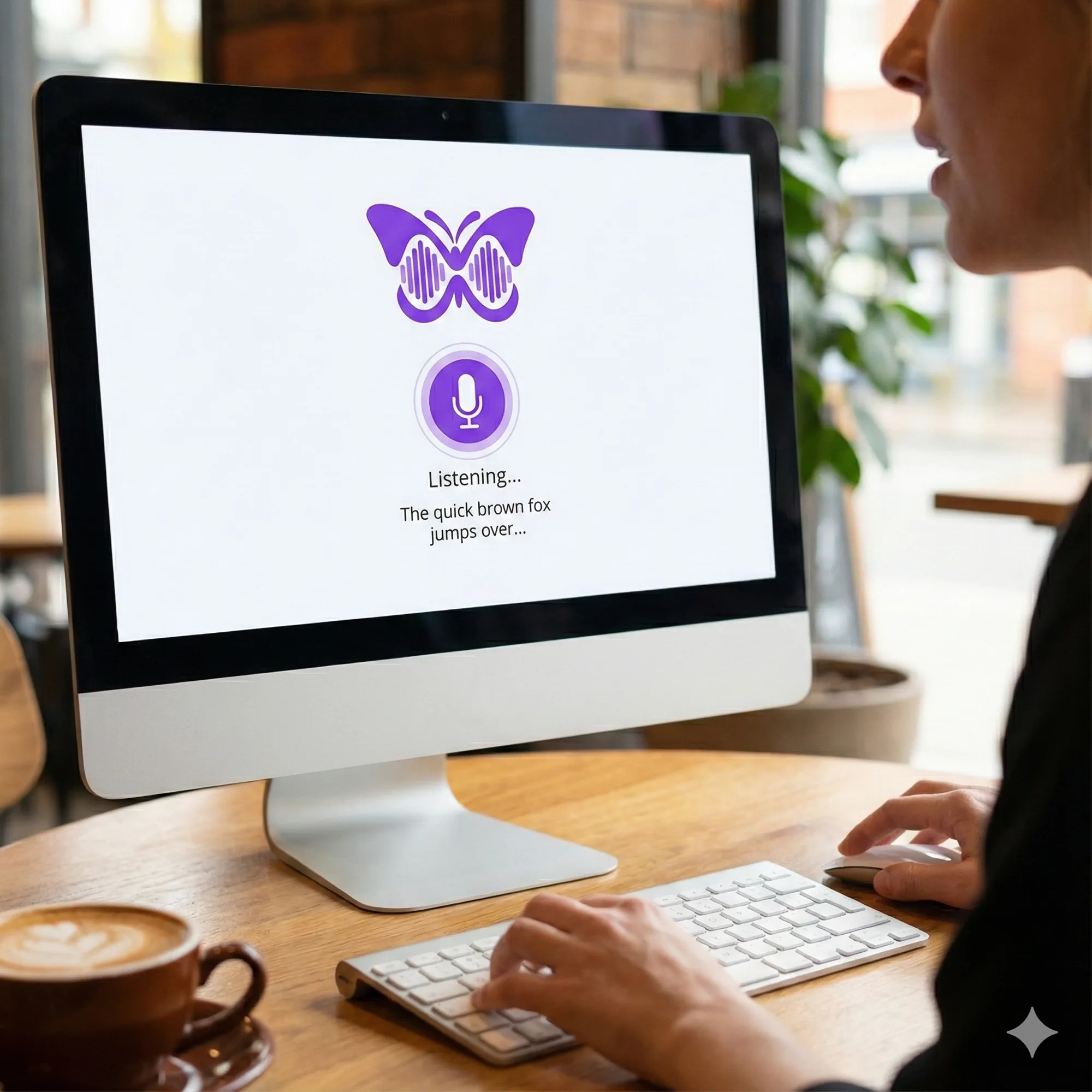
Voice typing used to mean plain speech-to-text. The same tools now rewrite what you said, draft replies and run across platforms. Here are six trends worth watching for 2026. Some already ship in products you can buy today. The rest are forecasts.
1. Conversational interfaces (voice-to-voice)
People dictate because speaking is an easier way to get a first draft down. Voice-to-voice is the next step, where you talk to an assistant and it talks back instead of typing anything. Expect more apps and devices to support it.
2. Context-aware writing assistants
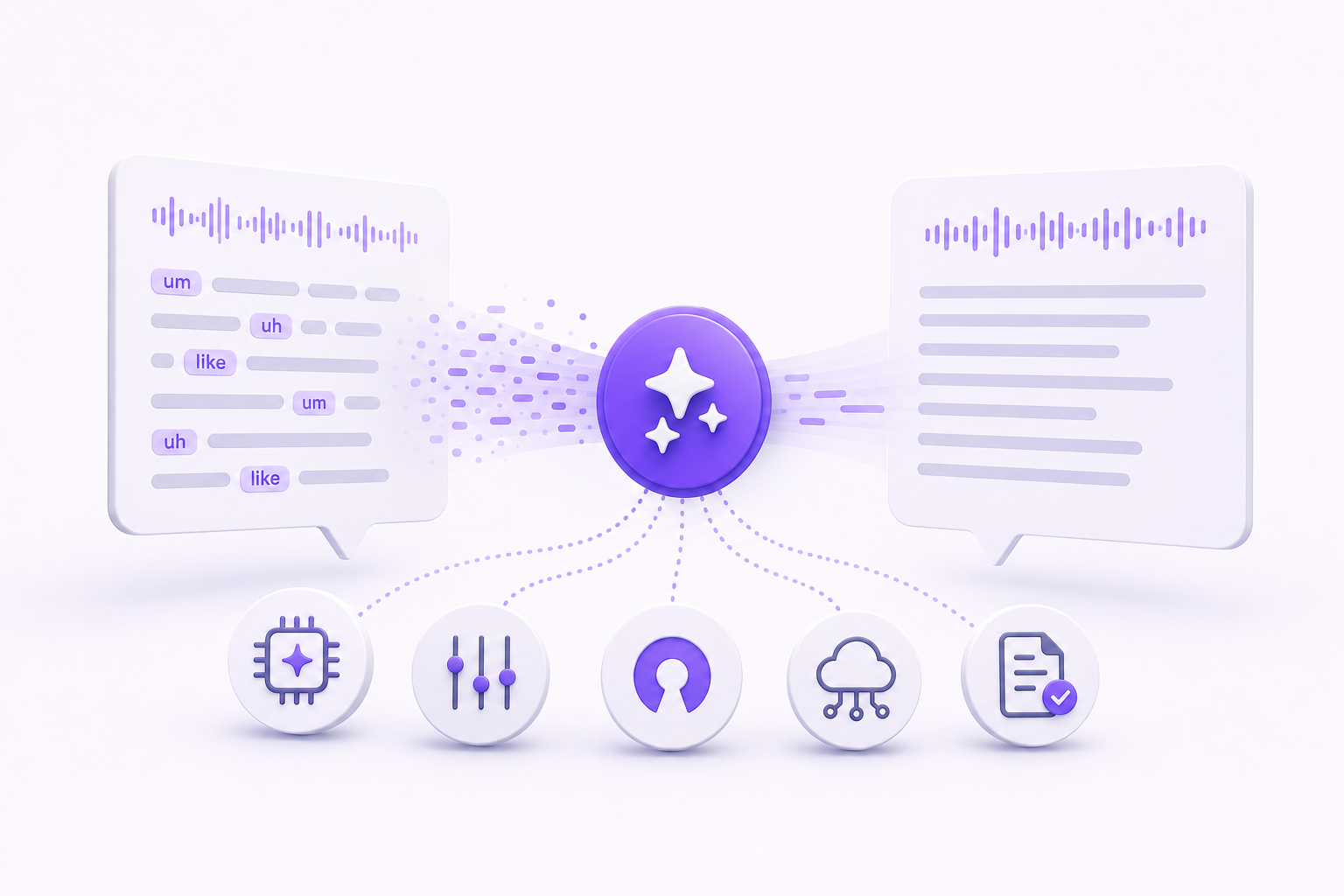
AI meeting assistants already extract decisions, tasks and sentiment from conversations. In 2026, similar technology will come to personal writing tools. Your dictation app will understand the topic you're discussing, suggest relevant information and adapt its tone based on your audience. This could include:
- Automatic summaries and highlights after long voice notes
- Action item extraction for to-do lists or CRM entries
- Sentiment and risk detection to flag problems
3. Multimodal input and output
Today's tools already combine voice and text. Future systems will blend speech, touch, gestures and visual cues. Imagine dictating an email while dragging images into place and having the AI propose charts based on your spoken data.
4. Accessibility and inclusion
Speech recognition is vital for many people with physical, cognitive, and learning disabilities. In the coming years, we expect deeper integration with screen readers, braille displays, and haptic feedback. Multi-language and accent support should continue improving as vendors expand coverage and training data.
5. On-device AI and privacy
Privacy pressure is pushing vendors to keep less audio and give people more control over what is stored. Vibe Typer processes audio in memory and keeps no transcripts on its servers. Expect more vendors to follow.
6. Human-AI collaboration
AI won't replace writers. Vibe Typer lets you dictate a rough draft and then rewrite it into a different tone or length, which moves the drafting to the machine and leaves the judgment with you. As the models improve, that split should hold rather than shift.
What already works
Most of the list above is a forecast. Dictation, rewriting and drafting replies are not. Those work now, and Vibe Typer does all three.
Download Vibe Typer if you would rather stop typing first drafts.
Try Vibe Typer free
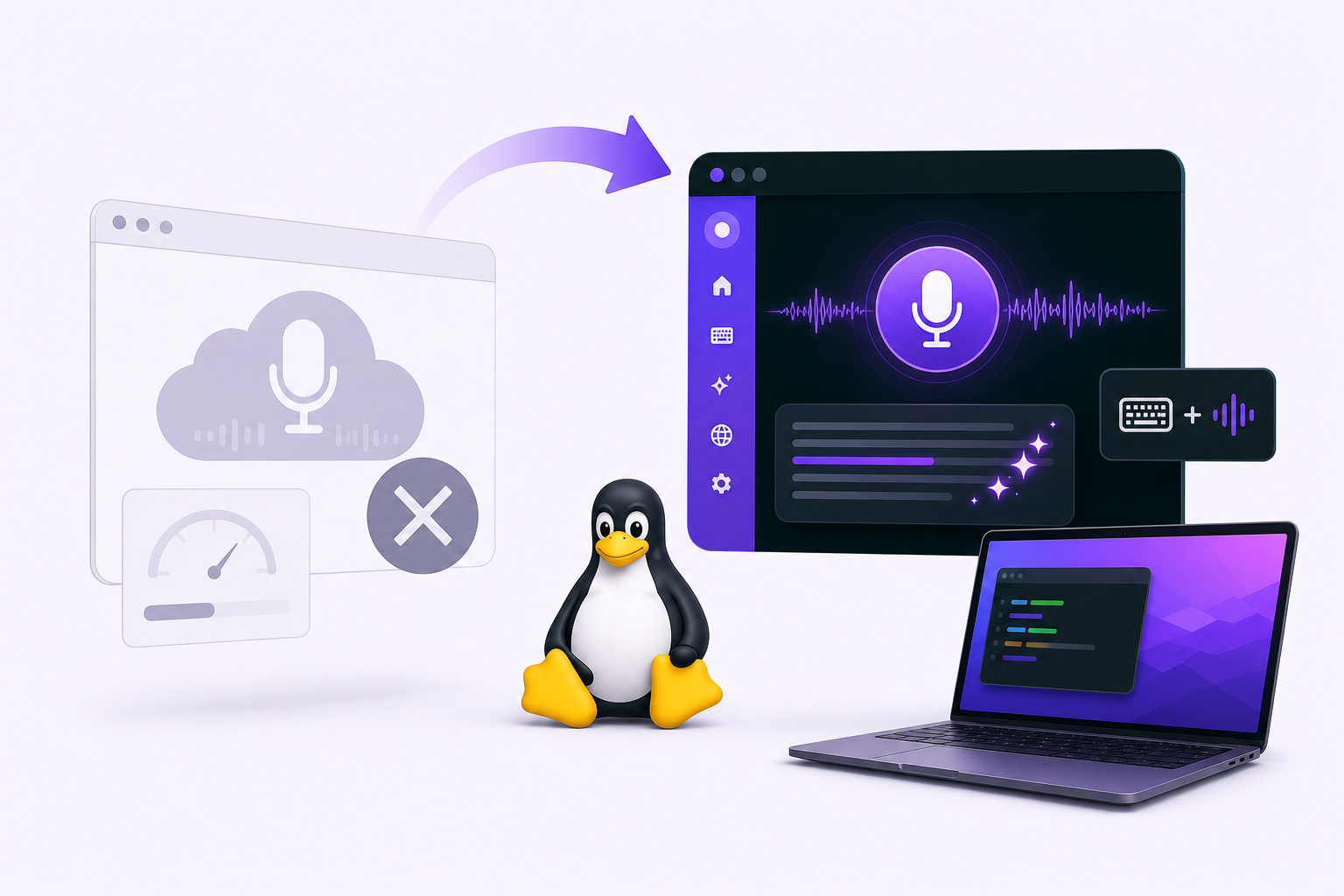
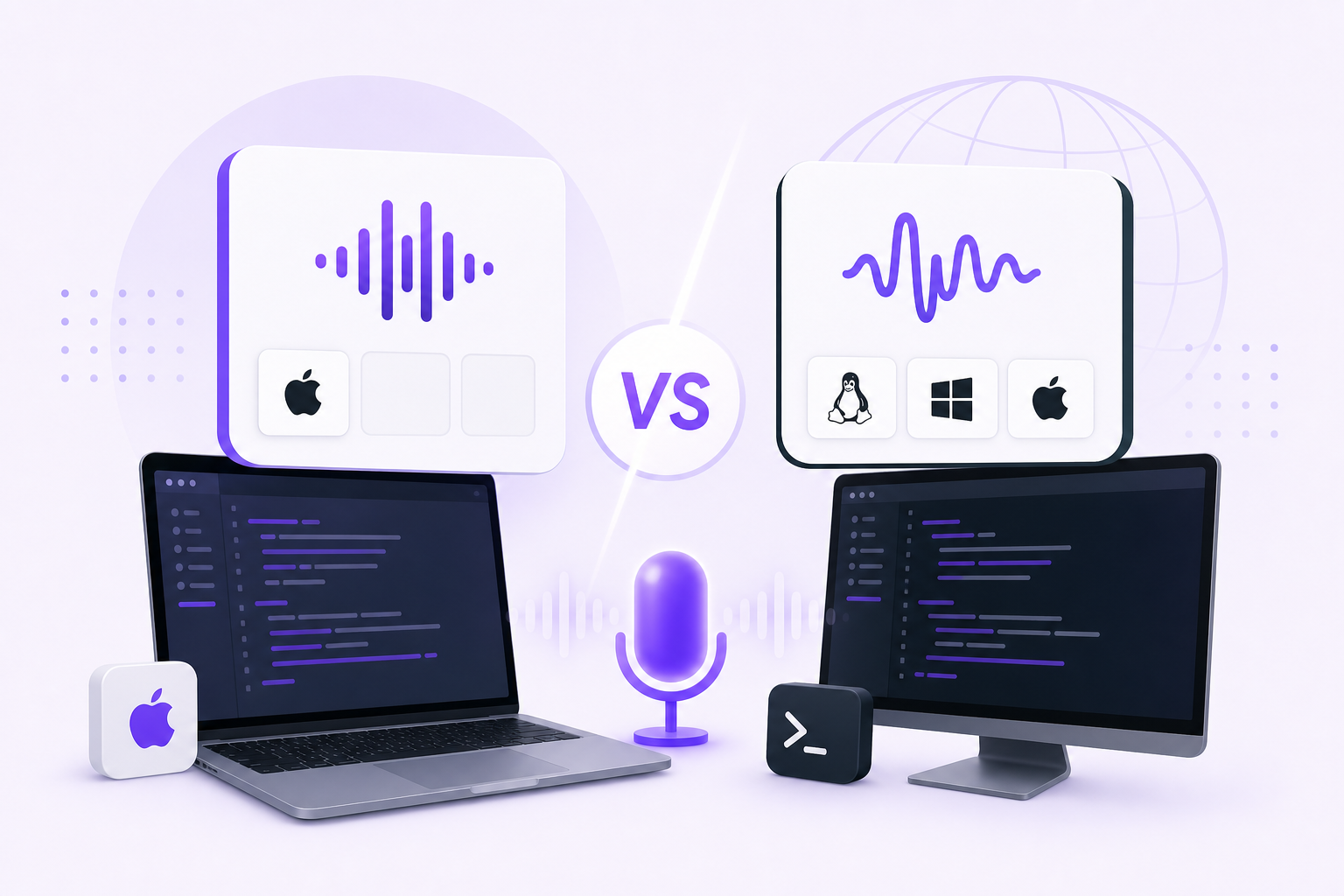
Voice typing that works in every app on Linux, Windows, and macOS. Free to download: 2,000 words a month, no card.
Download free